Pre-Wedding Shoot Outfit Changes: How Many Looks Do You Need?
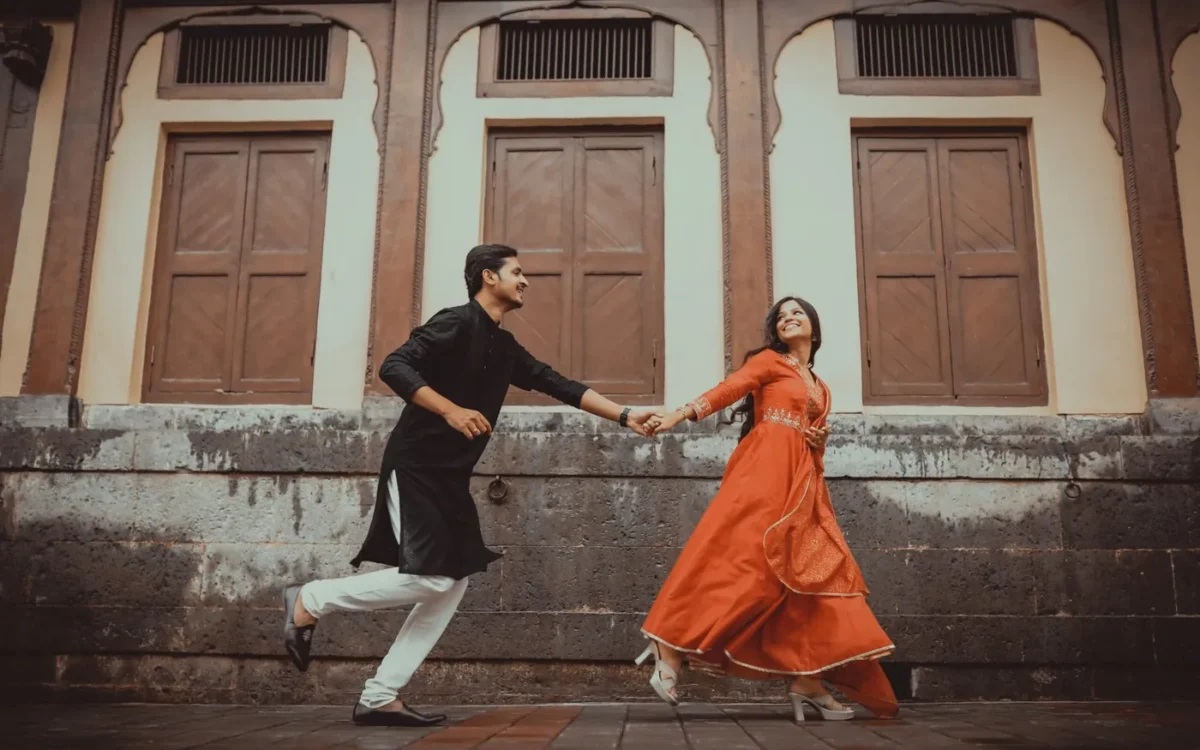
Pre-wedding shoot outfit changes should add something to your pictures, not consume the session. A second look can create a useful change of mood. A third can be worthwhile when the location and schedule support it. But every change also means finding privacy, handling clothes, checking hair and returning to the camera while the light keeps moving.
For Indore couples, the useful question is not how many outfits a package allows. It is how many complete looks you can photograph comfortably in the actual time and space available. This guide focuses on that decision rather than prescribing a universal outfit count.
Plan pre-wedding shoot outfit changes around pictures
Give each outfit a job. One might suit walking and relaxed interaction; another might support a more formal portrait. If two outfits give you the same silhouette, colour and mood in the same setting, changing between them may add less variety than you expect.
Put the looks beside the photographs you want. Do you want a full-length frame showing the clothes, a close portrait, a wider picture of the location or movement together? A meaningful change in the photograph is more valuable than a change that exists only in the suitcase.
For help choosing the setting first, read our indoor vs outdoor pre-wedding shoot guide. A private indoor booking and a public outdoor route create very different changing plans.
Count usable photography time, not booking hours
Ask the photographer what the session clock includes. Does it begin at arrival, after makeup or when the first photograph is made? Does travel between locations sit inside the booked time? The answers should come from your actual agreement, not assumptions about a typical package.
Then account for the full change. Taking off one outfit is only part of it. Jewellery, footwear, steaming, hair adjustments and returning to the portrait area can all take time. Try the change at home and use your own measured time as the planning starting point.
Do not fill every available minute with a task. Keep room for a late arrival, a crowded location or a short break. If the plan works only when every transition is perfect, it needs fewer transitions.
Confirm the changing space before bringing extra looks
Check that the booked space includes a private, usable changing area. Ask where bags can stay and whether you can return to that area during the session. A venue allowing photography does not automatically mean it provides a dressing room.
A car or public washroom should not become the assumed plan without your agreement. Think about the outfit’s volume, personal comfort and who will help. If there is no suitable place to change, a single complete look with a removable layer may be the better choice.
When considering a place from our Indore pre-wedding location guide, confirm current access and changing arrangements directly. A previous shoot at the property does not establish today’s facilities or terms.
Make the two looks genuinely different
Variety does not require a complete transformation. A relaxed look and a formal look can feel different through shape, texture and movement. A jacket, shawl or accessory can also change a frame without a full wardrobe reset, provided it makes sense with the outfit.
Coordinate the level of formality between partners rather than insisting on identical colours. Look at both outfits together in daylight and against a simple background. Check whether one strong pattern or large logo takes attention away from faces.
A portrait-design lesson hosted by Penn State discusses how clothing, background, formality and weather work together. Treat colour suggestions as starting points, not rules that make a favourite outfit unacceptable. Personal taste and comfort still matter.
Choose the order with the photographer
There is no fixed rule that casual must come first or formal must come last. The order should account for access, the route, the light and how the clothes behave. A heavy outfit may be easier near the changing area; a look designed for walking needs a route where you can move safely.
Tell the team which look matters most. Photographing that priority look while there is still time to make adjustments can be safer than saving it for a rushed final few minutes. Ask what would change if the session started late.
For movement ideas that do not depend on elaborate styling, see our natural wedding couple poses guide. The clothes should support the action, not force you to keep stopping to fix them.
Test sitting, walking and a handhold
Before packing, wear the complete look with its actual footwear and accessories. Sit, take a few steps and turn towards your partner. Check whether a sleeve pulls, a necklace catches or a hem needs constant attention. This is a comfort test, not a requirement to practise a perfect pose.
Tell the photographer about anything that limits movement. A picture on stairs is not essential if the outfit or footwear makes the stairs uncomfortable. Bring practical shoes for moving between portrait spots and decide where the portrait shoes can be changed safely.
Pack by complete look
Keep each outfit with its accessories so the next change does not become a search through several bags. Photograph the complete looks on your phone as a reference. Include anything needed to fasten or adjust the clothes, and agree who will keep track of the bags.
For borrowed or rented clothing, confirm return conditions and any restrictions on outdoor use with the provider. Do not assume the photographer or venue takes responsibility for clothing damage. Keep garment handling separate from the photography brief so nobody is left guessing.
Set a clear rule for dropping a look
Decide before the session which change can be skipped if time becomes tight. That removes pressure to continue with every planned look simply because it was packed. The photographer can explain the remaining light and shooting time; the couple should decide which photographs matter most.
If a second location is also involved, consider dropping the journey rather than the outfit, or keeping one outfit and using the nearby setting well. Compare the options against the result you want, not against the number of items on the original plan.
Check your current quote when comparing pre-wedding shoot costs in Indore. Extra outfits, extra locations and extra hours are different requests and may have different terms.
Before you finalise the outfit count
- Can we explain what each look adds to the photographs?
- Have we tested the full change, including accessories?
- Is the private changing space confirmed?
- Does the plan leave enough time after travel and setup?
- Which look is our priority, and which can we skip?
- Have we agreed any additional time or charges in writing?
The best pre-wedding shoot outfit changes feel like a useful pause, not the main event. Start with the pictures you want, give the important look enough time and leave space to enjoy being together in front of the camera.