Wedding Cinematography vs Traditional Videography: A Guide for Couples
Every couple booking video coverage faces the same fork in the road: a traditional wedding video or a cinematic film. The two look similar in a brochure and completely different on screen. Understanding what wedding cinematography actually means and how it differs from traditional videography, will save you from paying for one and expecting the other.
What traditional wedding videography gives you
Traditional videography documents the day thoroughly and chronologically. A camera on a tripod or shoulder records each ritual in full: the complete pheras, every speech, the whole vidaai. The result is a long, faithful record, often several hours, edited lightly with simple cuts and titles. It is invaluable for family members who want to relive every minute, and it is how weddings were filmed for decades. Nothing is staged; everything is captured. That completeness is the strength of traditional videography, and its limit.
What wedding cinematography does differently
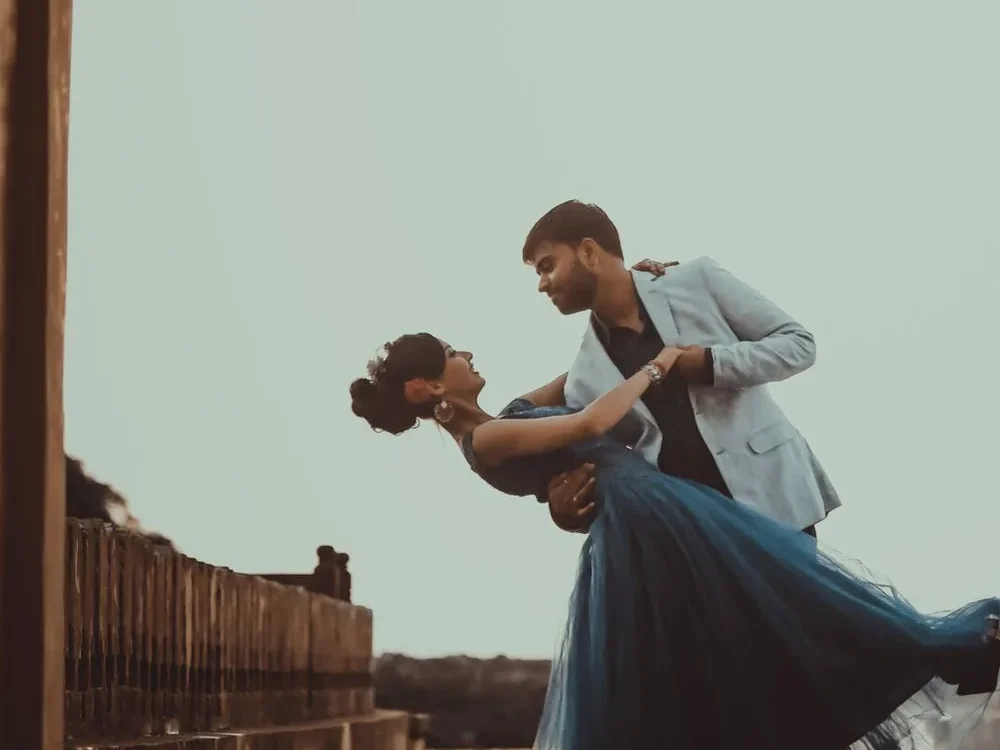
Wedding cinematography treats your wedding like a film, not a record. Instead of documenting every minute, the cinematographer selects moments and shoots them with cinema language: shallow depth of field, deliberate camera movement, composed frames, and careful use of light. The edit is short, usually three to eight minutes for a highlight film, set to licensed music, colour graded, and paced like a story with a beginning, an emotional peak and an ending. You watch a wedding film the way you watch a movie; you watch a traditional video the way you watch a family archive.
The real differences, side by side
Length: traditional runs hours, cinematography runs minutes. Purpose: one preserves, the other moves you. Equipment: cinematography often adds gimbals, sliders, drones and fast prime lenses. Editing: traditional cuts for completeness, while wedding cinematography edits for rhythm, music and emotion. Viewing habit: relatives watch the long video once; everyone watches the short film many times and shares it. Studios like Grace and Motion explain this same distinction from the videography side.
How it pairs with your photography
Cinematography shares its visual language with cinematic photography, so the two blend beautifully in one gallery and film. A team fluent in wedding cinematography will usually shoot stills with the same eye. Our guides to cinematic wedding photography and planning a cinematic pre-wedding shoot show the stills side of that look. If you are deciding whether you need both photo and video coverage at all, start with our post on whether you need both a photographer and videographer.
What to ask before you book
Ask to watch two full recent films, not trailers. Ask how long the final film runs, whether vows and speeches are recorded with dedicated microphones, how many cinematographers will attend, and how many revisions are included. Check whether the package includes both a short film and a longer edit; many couples want the cinematic highlight for sharing and a fuller cut for family. Our post on what a wedding photography package includes and the twenty questions to ask before booking cover these conversations in detail.
Which one is right for you
Choose traditional videography if your priority is a complete archive of every ritual for the family. Choose wedding cinematography if you want a film that captures how the day felt and that you will actually rewatch. Many couples choose both: a cinematic highlight film plus full-length coverage of the main ceremony. Add-ons like a same-day wedding edit can bring the cinematic treatment to your reception itself.
The mistake to avoid is assuming one replaces the other. A beautiful three-minute film will not show your grandmother the full pheras, and a four-hour video will never move you like a film. Decide what each format is for, and book wedding cinematography, traditional coverage or both accordingly, and review our packages when you are ready. To keep whatever you receive safe for the long term, our backup guide applies to films just as much as photographs.