Elopement Photography: How to Plan a Just-Us Wedding and Capture It
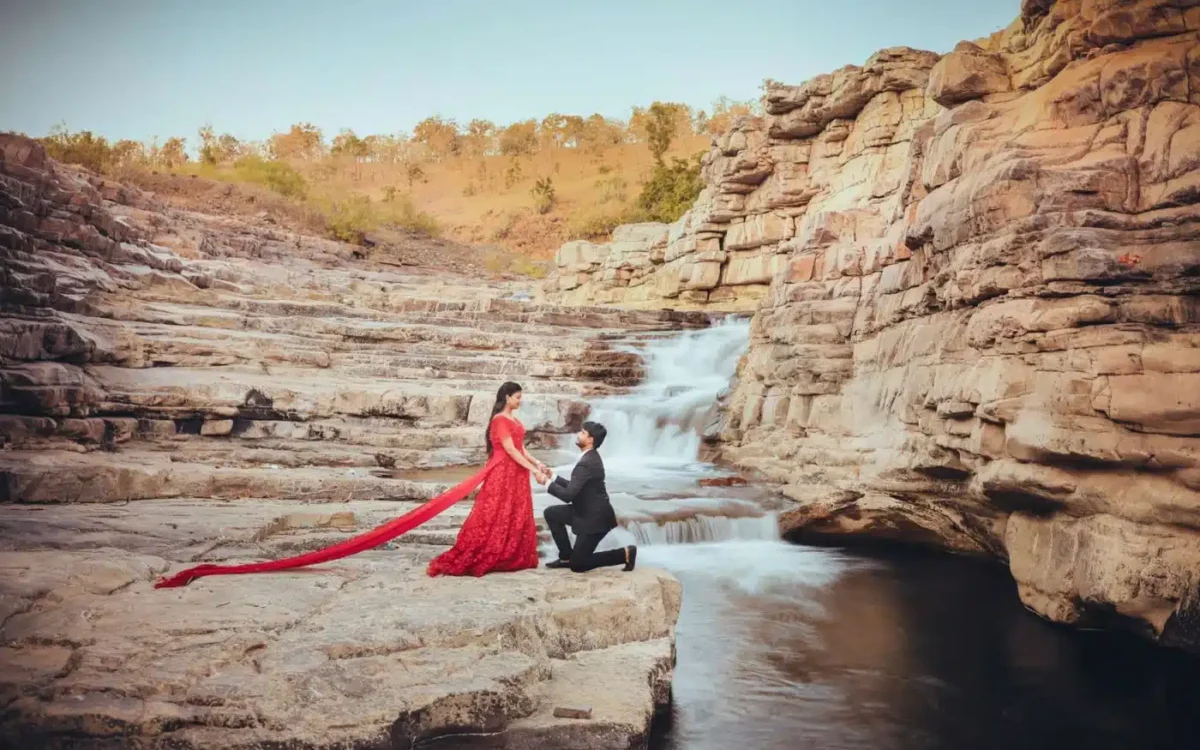
Not every couple wants a wedding with four hundred guests, three functions and a stage they barely get to sit on. Some couples choose to marry quietly, just the two of them and perhaps two witnesses, and let the photographs carry the news to everyone else afterward. Elopement photography is built around exactly that kind of day: a short, private ceremony and a portrait session that gives it the same care a full wedding would get.
If you are weighing a quiet wedding of your own, here is how the photography side of an elopement actually works, what to plan for, and how to make sure the people you love still feel part of it.
What an Elopement Actually Looks Like
An elopement is simply a wedding stripped down to its core: the two of you, a legal or religious ceremony, and no guest list to manage. In practice it can take a few different shapes:
- A registry or court ceremony followed by portraits somewhere meaningful to you.
- A tiny traditional ritual at home or a place of worship, with only parents or two close friends present.
- A private ceremony at a spot you both love, outdoors or at a small venue, with vows exchanged just between the two of you.
What these share is intimacy. There is no reception timeline pushing you along, no stage entries, no hundred relatives waiting for a group photo. The day moves at your pace, and that changes what photography can do with it.
Why Couples Choose This Route
Every couple’s reason is their own, but a few come up again and again in conversation. Some want the day to be about the commitment rather than the production. Some are marrying across families or communities and prefer to celebrate with everyone later, once the wedding itself is done. Some would rather put their budget toward a home, a honeymoon or a future together than toward decor for one evening. And some simply do not enjoy being the centre of attention in a crowded room.
None of these reasons make the day any less of a wedding. It still deserves to be documented properly, because these are the photographs you will show your children someday.
How Elopement Photography Works
The coverage for an elopement is shorter and more focused than a full wedding assignment. Instead of a team spread across twelve hours of events, you typically plan for a single session of a few hours that covers two distinct parts.
The first is the ceremony itself. Even a ten-minute registry signing has moments worth keeping: the walk in, the vows or signatures, the rings, the first look at each other once it is official. A photographer who shoots weddings professionally will catch these quietly without turning your private moment into a production.
The second is the portrait session afterward. This is where an elopement gives you something a big wedding rarely can: unhurried time. With no guests waiting, you can spend an hour or two making portraits in a place that matters to you, in the best light of the day. The same care that goes into an engagement session applies here, except you are doing it as a married couple, in your wedding clothes, on the actual day.
Many of the same ideas from our guide to wedding couple poses carry over beautifully into an elopement portrait session, because the smaller setting lets you try more of them without a schedule breathing down your neck.
The Moments That Matter Most
With a compact day, every frame has to count. These are the photographs couples tell us they treasure most from a private ceremony:
- The quiet minutes before the ceremony, when it is just the two of you getting ready.
- The exact moment the marriage becomes official, whether that is a signature, a garland or a sindoor.
- The rings and small details, photographed the way we approach wedding detail photography, because on a simple day these objects carry the whole story.
- The walk right after, when it sinks in and the smiles are unguarded. This is where a candid approach earns its keep.
- A handful of proper portraits of the two of you that are worthy of a frame on the wall.
- One good announcement photograph, planned deliberately, for sharing the news with family and friends.
Telling Family and Friends Afterward
The hardest part of eloping is usually not the ceremony. It is telling the people who love you that it already happened. Photographs make that conversation far warmer. Instead of a plain announcement, you are sharing a small story: where you were, what the moment looked like, how happy you both were.
Couples often follow the announcement with a dinner or a small reception weeks later, where a framed print or a short slideshow from the day lets everyone celebrate with you properly. If you decide you would rather keep things small from the start instead of eloping outright, our guide to planning an intimate wedding in Indore covers that middle path in detail.
Planning Your Own Quiet Wedding
A private ceremony still rewards the same preparation as a large one. Decide the legal route and paperwork early, pick a date whose light you like, and think about one or two spots for portraits afterward. Our wedding photography preparation guide walks through the checklist, and most of it applies just as well to a two-person wedding.
It also helps to have the conversation with your photographer well in advance, even for a short booking, so the timing, locations and must-have moments are all aligned. Our post on when and how to book your wedding photographer explains why earlier is almost always easier.
If a quiet, just-the-two-of-you wedding sounds like your kind of day, we would love to hear what you are planning. Call us on 73852 22228 and we will help you shape a small coverage plan that gives your private day the photographs it deserves.