Editorial Wedding Photography: A Guide for Indore Couples
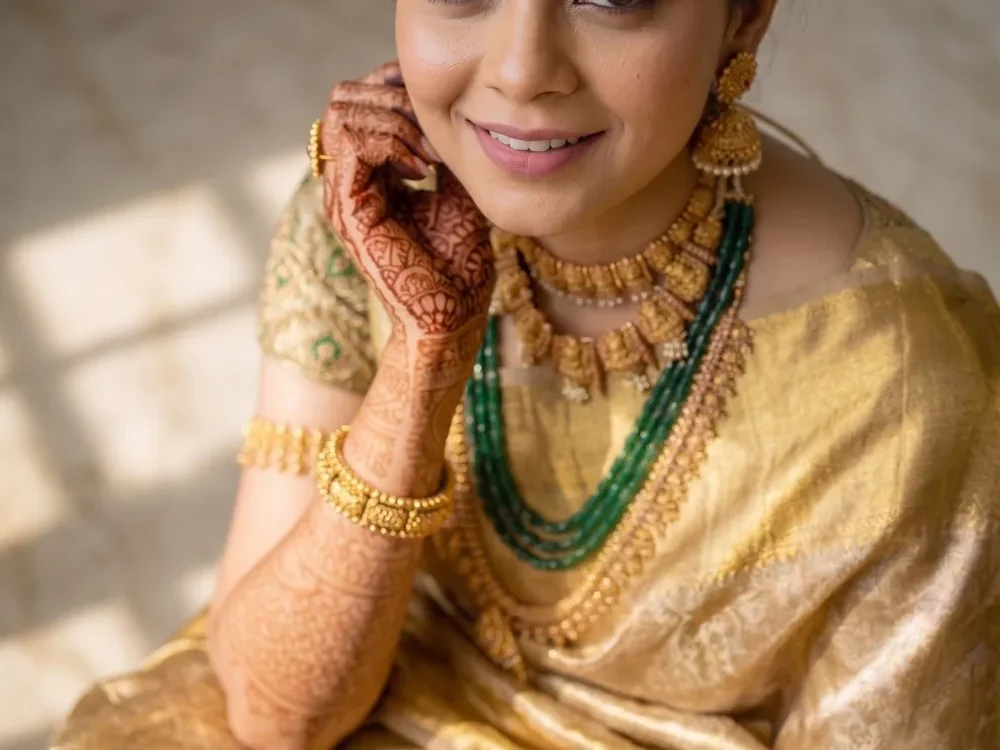
Editorial wedding photography gives a portrait a clear visual intention. The photographer may guide your posture, choose a cleaner background, shape the light or arrange the fabric of an outfit before making the picture. For an Indore couple, the important question is whether that direction helps you feel comfortable and still leaves enough room to experience your wedding.
You do not need to behave like a fashion model to enjoy a carefully made portrait. You do need a shared understanding of what you want, when the portraits will happen and how much direction feels right. This guide explains the editorial approach without turning a style label into a promise that every photograph will look like a magazine cover.
What editorial wedding photography means in practice
There is no single rulebook behind the word editorial. Different photographers use it differently. In a wedding portfolio, it usually points towards deliberately composed portraits: considered light, intentional posture, a background that supports the subject and attention to clothing, jewellery or architecture.
A useful example is a bridal portrait beside a window. The photographer might turn the chair, ask you to move your shoulder slightly and check the hands before taking the picture. That is direction, even if the final photograph looks relaxed. It is different from quietly photographing a conversation that was already happening.
Photographer Hannah Lockaby’s explanation of editorial and documentary approaches makes the same useful distinction: these terms describe how photographs are made, not simply their colour treatment. Ask a prospective photographer to explain their own approach using a complete wedding gallery.
Editorial is an approach, not a filter
A warm colour grade, black-and-white edit or soft background does not tell you whether a moment was directed. Two photographs can have similar colours while being made in very different ways. One may be a planned portrait; the other may be a spontaneous reaction.
When collecting references, write down what you actually like. Is it the confident posture, the wide architectural frame, the quiet expression or the way the outfit falls? “Make it editorial” is less useful than “I like a clean full-length portrait where my outfit is visible, but I do not want a serious expression in every picture.”
For the broader style choices, see our candid vs traditional wedding photography guide. You can prefer carefully directed portraits without wanting the ceremony itself to be directed.
Decide which parts of the day should be directed
Getting-ready portraits, a short couple session and individual portraits can offer room for direction. A ceremony, a parent’s reaction or an unplanned exchange with friends has a different value. Decide together where the photographer should guide and where they should observe.
The Wedding Photojournalist Association distinguishes authentic documentary moments from creative portraits, while recognising that a photographer can make both. You do not have to choose between a polished portrait and an honest record of the people around you.
A practical brief might say: “We want a small set of directed portraits after we are ready, but please do not ask relatives to repeat emotional moments for the camera.” This is more useful than choosing a fixed percentage of candid and editorial photographs that nobody can measure on the day.
Build a small reference set, not a second wedding
Choose a handful of images with a clear purpose. Include an individual portrait, a couple portrait and an example of the mood you like. Then explain what you do not want: uncomfortable poses, too much time away from guests, heavy retouching or photographs in locations you cannot safely reach.
References are a conversation, not a guarantee of a duplicate image. Your outfit, available space, weather, schedule and comfort may be different from the source photograph. If a picture depends on a staircase, access to that staircase must be checked with the venue. If it needs a quiet background, that space should not also be the busiest guest entrance.
Plan the portrait space around the real venue
For an Indore wedding, ask the photographer to review the actual portrait area rather than choosing from a venue’s promotional pictures alone. A corridor may be crowded on your wedding day. A lawn may have stage cables or service movement. A beautiful wall can still be a difficult background if you cannot stand far enough from it.
Have one primary spot and one nearby alternative. Keep the route manageable in wedding clothes and footwear. Do not reserve a distant portrait location if reaching it would consume the only break you have between events.
Our wedding photography lighting guide explains why the light on faces matters more than how bright a room looks. Let the photographer make a quick lighting check before everyone is called into place.
Direction should make the portrait easier
Good direction gives you something simple to do. It might involve shifting weight, relaxing a hand, looking towards your partner or turning slightly towards the light. It should not require you to memorise a pose catalogue.
Tell the photographer about movement limits, an outfit that is difficult to sit in or a side you feel more comfortable showing. Take a break if a position hurts. A photograph is not worth losing your balance on a ledge or standing in a walkway where guests cannot pass safely.
If you prefer movement to still poses, mention that early. Our natural wedding couple poses guide offers a different starting point for portraits that come from a handhold, a walk or conversation.
Discuss retouching before booking
Editorial does not automatically mean reshaping faces or bodies. Ask what the photographer normally changes and what needs a separate request. Skin treatment, temporary blemish removal and changes to background objects are different decisions; they should not be hidden behind a broad promise of professional editing.
Ask to see the finish across a full gallery. An isolated heavily polished portrait may not represent the treatment of ceremony and family photographs. Confirm what is included in the written scope, along with portrait time and team coverage, when comparing wedding photography packages in Indore.
Questions to ask your photographer
- Which photographs in this gallery were directed?
- How do you guide someone who feels awkward in front of the camera?
- Which part of our schedule can hold the portrait session?
- What is the nearby backup if our first portrait spot is unavailable?
- How do you keep directed portraits from interrupting ceremony coverage?
- What retouching is included, and what can we decline?
Is editorial wedding photography right for you?
It may suit you if you enjoy a little guidance and want a small set of carefully composed pictures. If you would rather spend almost all your time with guests, tell the team that and keep the portrait brief narrow. Neither preference is a better way to have a wedding.
The strongest plan is specific: a few portraits you genuinely want, a realistic place to make them and a photographer who knows when to stop directing. That lets your pictures look considered without making the whole day feel like a photo shoot.