Wedding Photography Storytelling: A Guide for Indore Couples
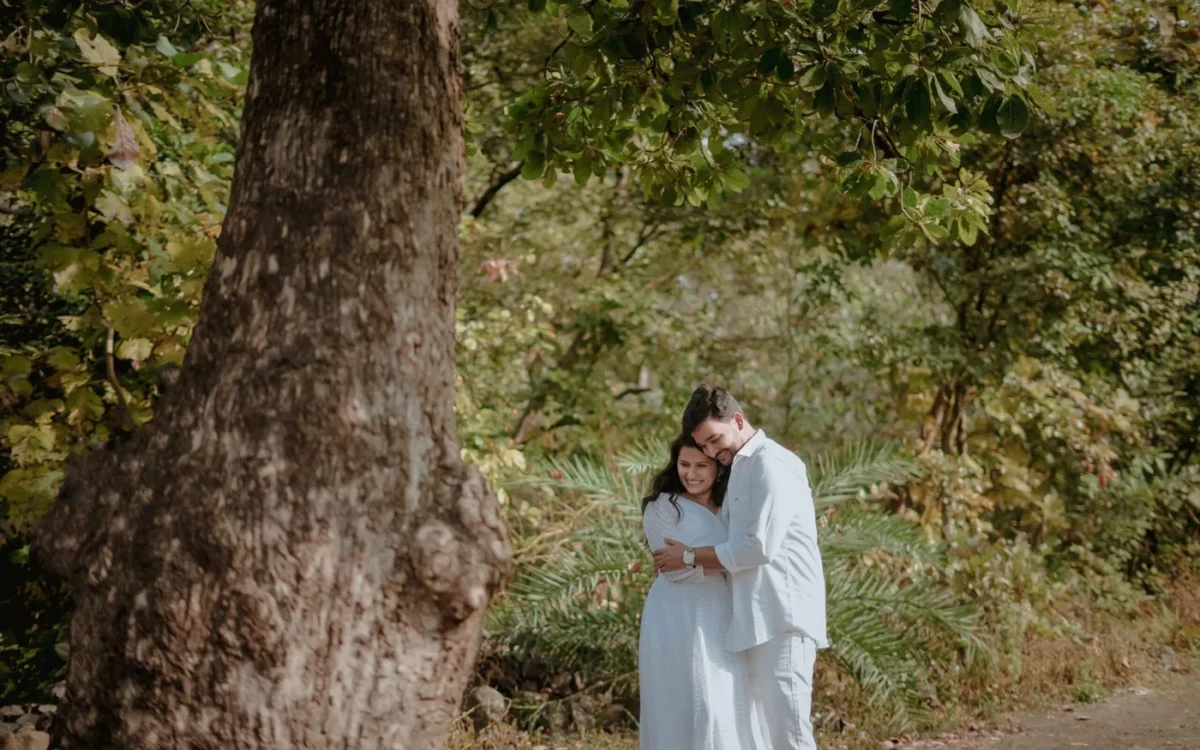
Wedding photography storytelling is the difference between a collection of attractive pictures and a gallery that helps you remember what the day felt like. A portrait may show how you looked. A sequence can show who helped you get ready, what made you laugh and who was watching when you entered the ceremony.
For couples planning a wedding in Indore, this is a useful way to judge photography before booking. Look beyond a handful of dramatic frames. Ask whether a complete gallery makes the people, places and changing mood understandable. A wedding story does not have to look like a film poster to hold your attention.
What makes photographs feel like a story?
A story gives a viewer enough context to connect one picture to another. A wide photograph might establish the room, a closer frame might show a parent adjusting an outfit, and a reaction might reveal the affection behind that ordinary action. Each image has a job. They do not all need to be the loudest picture in the gallery.
Think of a ceremony entrance. The arriving person matters, but so do the waiting family, the space they cross and the reactions along the way. Photographing only the entrance pose may leave out what made that moment yours. Good coverage notices those relationships without asking everyone to perform them again.
Wedding photography storytelling is not constant posing
Directed portraits have a place in many wedding collections. They can give you a clear couple photograph or a family picture with everyone visible. That is different from interrupting an unfolding moment to make it look spontaneous. Discuss which parts of the day you want directed and which you want left alone.
The Wedding Photojournalist Association’s explanation of wedding photojournalism links that approach to an honest, documentary record rather than manipulating situations. A broader storytelling gallery may include both observed moments and arranged portraits. Ask your photographer how they distinguish those parts instead of assuming every photograph described as candid was completely unprompted.
Give the photographer people and context, not a script
A useful brief explains who matters and what is happening. Tell the team about close relatives, meaningful objects, important rituals and any relationships that need care. If a grandparent will attend only one event, say so. If someone prefers not to be photographed closely, make that boundary clear as well.
Keep the list focused. A long catalogue of copied poses can make the team chase references while real interactions happen elsewhere. Share a few examples to explain your taste, then leave room for your own wedding. Our questions to ask your wedding photographer can help you discuss working style before the day.
Notice the moments between the big events
The formal programme is only part of the record. Someone fastening jewellery, relatives waiting together or a quiet pause after a busy ceremony can connect the major events. These pictures often need attention rather than another staged activity. You do not need to create extra rituals for the camera.
Allow the coverage plan to include transitions where they matter. If the team is booked only from the ceremony start, preparations and the journey there may sit outside the agreed scope. If both partners are in different places, discuss the staffing and travel involved rather than assuming one person can follow both stories at once.
Use details to explain something personal
Clothing, jewellery, invitations and decor can establish the setting. They become more meaningful when connected to the people using them. An inherited item beside its owner tells a different story from an isolated product-style photograph. Tell the photographer why an object matters; its significance may not be visible from its appearance.
Not every detail needs equal space. Prioritise objects you would want to remember even if they were not fashionable. Our wedding ring photography guide looks at combining detail pictures with the hands and relationships around them.
How to judge a complete wedding gallery
Ask to see a gallery that reflects the type of coverage you are considering. Review it slowly, not as a test of how many spectacular pictures it contains. Look for:
- Enough context to understand where events happen and who is involved.
- Expressions and reactions beyond the couple alone.
- A sensible balance of wide scenes, closer moments, details and portraits.
- Consistent attention through preparations, ceremonies and later events within the booked coverage.
- People shown with care, including quieter family members.
- A flow that feels connected without repeating the same frame many times.
Different photographers organise galleries differently. The point is not to demand one exact sequence, but to see whether you connect with their decisions across a whole wedding. The candid vs traditional photography guide explains why a useful collection can include more than one approach.
Build the album around connections
When it is time to choose album photographs, avoid selecting only the most flattering portraits. Keep some pictures that explain the setting, people and sequence. A quiet frame beside a busy celebration can give both more meaning. Two almost identical portraits may add less than a small interaction you would otherwise lose.
Choose your essential people and moments first, then review how the selection reads as a whole. Ask about the album design and revision process before assuming extra pages or changes are included. Our wedding album photo-selection guide offers a practical way to narrow a large gallery.
Questions couples often ask
Does storytelling mean no family group photographs?
No. Formal groups can be an important record of who came together. Plan them clearly so they do not repeatedly interrupt natural coverage, and tell the photographer which combinations matter most.
Do we need a dramatic venue?
No. A familiar room can carry personal meaning. Light, composition, timing and the people in the frame matter more than adding a location that has nothing to do with your day.
Can every moment be guaranteed?
No photographer can promise every expression or simultaneous event. Agree on priorities, access and coverage, then understand the limits of a live celebration. Clear planning supports the record; it does not turn the wedding into a repeatable production.
The best brief is simple: these are our people, these are the moments we care about, and this is how we want the day to feel. Let the photographs connect those things, rather than asking your wedding to imitate someone else’s pictures.