Wedding Photography Trends 2026: What Indian Couples Are Asking For
Wedding photography in India has changed more in the last few years than in the decade before. Couples now ask for pictures that feel real instead of staged, and photographers have responded with new ways of shooting and editing. If you are planning a wedding this season, these wedding photography trends 2026 will help you decide what to ask for, and what to ignore.
A trend is only useful if it suits you. For each one below, we explain what it is, why couples like it and what to check before you book.
1. Candid and documentary storytelling
The biggest shift is away from long rounds of posed portraits towards real moments: a grandmother wiping a tear, cousins laughing mid-ritual, a groom stealing a glance at the bride. Couples want an album that reads like the day felt. Good candid work still needs planning, so share your key rituals and family members with your photographer. Our guide to candid vs traditional wedding photography explains the difference in detail.
2. Natural, true-to-life editing
Heavy filters, candy colours and strong presets are giving way to cleaner, more natural edits. Skin tones look like skin, and the decor looks like the decor. This style ages well, so your photos will not feel dated in five years. Ask to see full albums, not only highlights, to judge a photographer’s real editing style.
3. Editorial portraits with real direction
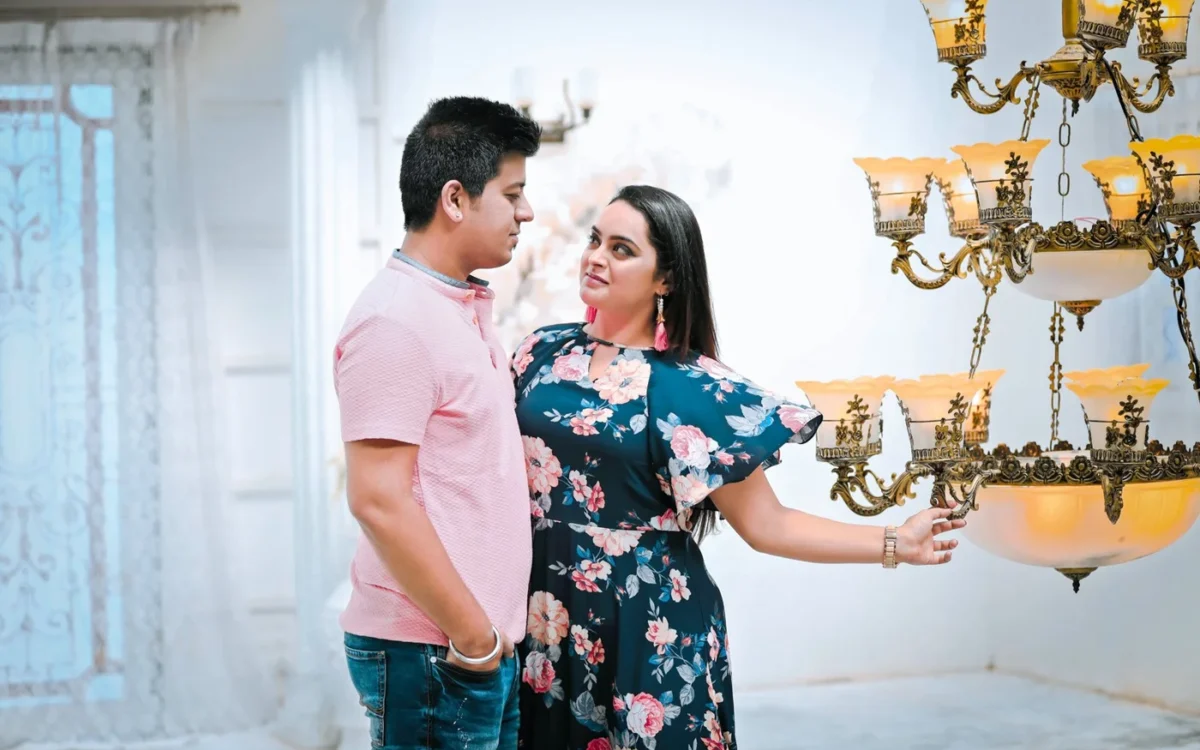
Instead of stock poses, many photographers now use editorial-style direction: interaction, movement and small prompts such as “whisper something” or “walk towards me”. The aim is a magazine-like frame that still looks like you. Our piece on editorial wedding photography and our guide to natural wedding couple poses show how it works in practice.
4. Photo and film working together
Short films, teasers and reels sit next to the album more often than before. Couples like having both a still memory and a moving one. If you want to explore this, read cinematic wedding photography in Indore and our note on whether you need both a photographer and a videographer.
5. Drone and wide scenic frames
Aerial shots of the venue, the baraat or a destination backdrop are common. They add scale, but they are not needed for every wedding. Check venue rules and permissions first, and ask whether the drone operator is part of the team.
6. Same-day edits and quick previews
Some couples want a few edited frames within hours, for the reception screen or for sharing. It is a nice extra, but it needs planning and a dedicated editor. We look at the trade-offs in our guide to same-day wedding edits.
7. Getting-ready and detail stories
Couples increasingly value the quiet hours before the ceremony: jewellery, outfits, family helping with the last pins. These frames fill an album with texture. See our guide to bridal getting-ready photos for how to plan them.
8. Pre-wedding shoots built around a story
The pre-wedding session has moved away from copied poses towards a story that reflects the couple: a favourite place, an activity, an outfit that suits them. Read our romantic pre-wedding shoot ideas and the guide on cinematic pre-wedding shoots for examples.
How to pick what suits you
Ask yourself three questions. Which photos do you remember from your parents’ or friends’ weddings, and why? How comfortable are you in front of a camera? Will you still like this style in ten years? A trend that fits your personality will look good for a long time, and one that does not will feel forced.
Then speak to your photographer. A good one will tell you what suits your venue, light and family, and which trends to skip. Our list of questions to ask before booking is a good place to start, and our pricing page shows how packages are laid out.
What this means for your planning
Trends should shape your brief, not replace it. Before you book, write down the five photographs you would be sad to miss, such as the pheras, your parents’ blessing or the baraat entry. Share the list with your photographer, along with two or three sample albums you like. That conversation is more useful than any trend list, because it tells the team what matters to your family.
Think about delivery too. Many couples now expect a quick preview, an album, a teaser film and a set of social-friendly images. Ask which of these are included, how long each takes and in what format they arrive. A clear list avoids disappointment later.
Finally, leave room for the unplanned. The best candid frames come from days that are not over-scheduled, where the photographer has time to watch and wait. Build small gaps into your wedding timeline so that the people shooting your day can do exactly that.
Trends worth approaching with care
Direct flash, motion blur and heavily stylised edits can look striking, but they are an acquired taste and are hard to undo. If you like them, ask for a mix, so that the album still has clean, natural frames for family. For a wider view of how Indian wedding photography is changing, see this Vogue India article on how wedding photography has evolved.