Bridal Getting-Ready Photos in Indore
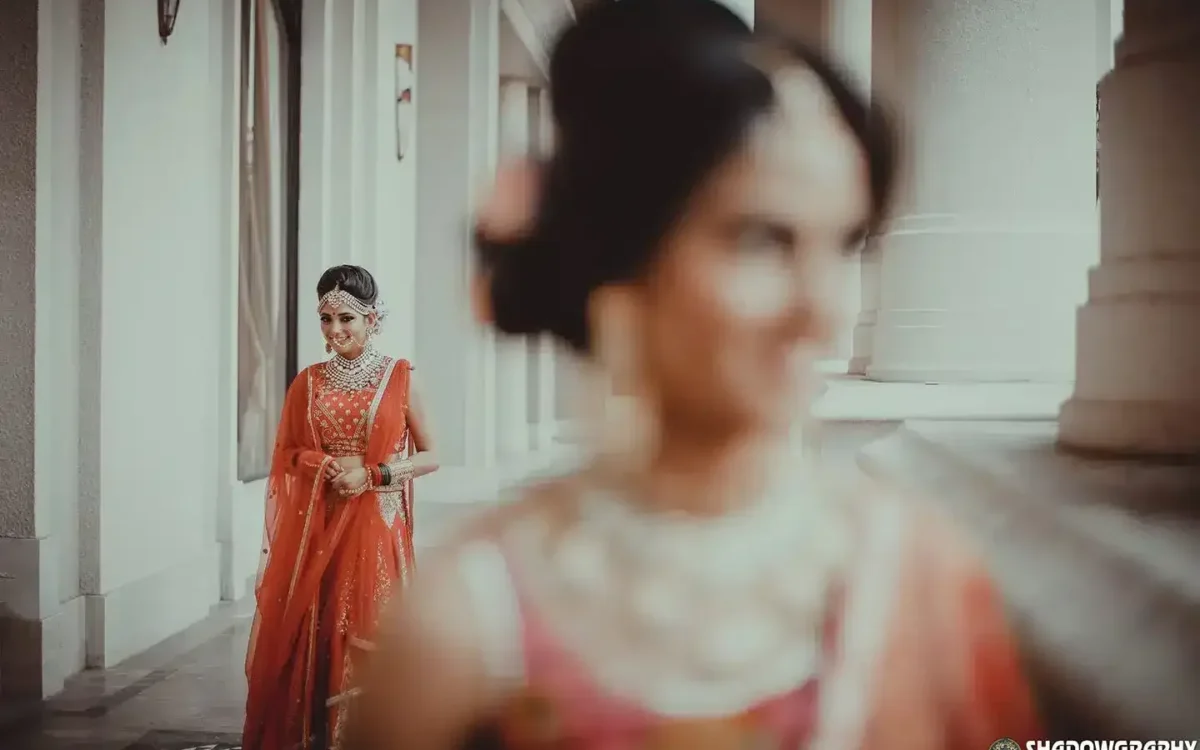
The first beautiful wedding photograph does not have to happen at the mandap. It may be your mother checking a necklace clasp, a friend straightening your dupatta, or the quiet minute when you see yourself fully dressed. Bridal getting-ready photos preserve that part of the day. But they need something most wedding schedules forget to protect: breathing room.
For an Indore wedding, preparation might happen at home, in a hotel room or in a changing room beside the banquet hall. None of these needs to look like a magazine set. Good light, a little privacy and a realistic departure time matter more than an expensive suite. Use this guide to plan the photographs without turning your preparation into another performance.
Choose the room for light, not only for decoration
Before confirming your getting-ready space, look at it at roughly the time you expect to use it. A room that looks bright in a hotel listing may be dark by your evening wedding. Send your photographer a short video showing the windows, dressing area and doorway. Include the time the video was taken.
A large window and a clear patch of floor often give a photographer more to work with than an ornate wall. Direct sunlight can be softened with a curtain; a dark room can be lit with portable equipment. Tell the team about a windowless room before the wedding, rather than hoping they discover it when you are already late.
Do not switch off the makeup artist’s lights or move their chair without discussing it. Their work comes first. Once makeup is finished, the photographer can choose a separate spot for a few portraits. The best plan gives both teams room to work.
Work backwards from the time you must leave
Start with your actual departure time, not the invitation time. Leaving a hotel room includes gathering belongings, waiting for the lift, reaching the car and meeting whoever is travelling with you. If preparation and the ceremony are at different locations, check the route for the relevant time of day and keep a travel buffer. Do not treat a quiet-road estimate as a promise.
The following is a suggested photography plan, not a fixed studio package or a rule for every wedding. Confirm it with your makeup artist and photography team.
- Before final dressing: keep jewellery, footwear, invitation and any meaningful family item together for detail photographs.
- During finishing touches: allow the photographer to record a few genuine interactions without interrupting makeup.
- After you are fully ready: protect around 15 to 20 minutes for individual bridal portraits.
- Before departure: leave a short window for photographs with the people you specifically want beside you, followed by a separate practical buffer.
If your outfit has complicated draping, heavy jewellery or a long veil, ask the stylist how much final dressing time it needs. Do not count dressing time and portrait time as the same fifteen minutes. For the wider day’s sequence, read our Indore wedding planning guide.
Clear one corner, not the entire room
You do not need to spend your wedding morning cleaning. Ask one friend to keep bags, food packets, spare outfits and chargers away from the chosen portrait area. Keep drinking water and the things you need accessible. A room can still be lived in; the photographer simply needs a clean angle.
Avoid crowding every relative into the preparation room at once. Decide who should be there for the moments that matter, then invite other family members for a separate photograph. This protects your privacy and gives the team space to move without repeatedly asking people to step aside.
Keep a small detail kit ready
Put the items you want photographed in one labelled bag or tray. Useful choices include your invitation, shoes, bangles, jewellery, perfume and an heirloom you are wearing. Include only things that mean something to you. There is no need to buy props to imitate someone else’s wedding.
Tell the team which items are delicate, valuable or borrowed. Jewellery should stay with a trusted family member whenever it is not being photographed. Remove packaging in advance where practical, but leave handling and arranging fragile pieces to someone you trust.
A bridal getting-ready photo list worth keeping
Share priorities rather than a folder of fifty poses. A short list helps the photographer recognise what is personal to your wedding.
- A clean full-length portrait showing the outfit and drape.
- A closer portrait with your jewellery, hair and expression visible.
- Hands adjusting bangles, fastening a necklace or settling the dupatta.
- A genuine moment with your mother, sibling, friend or another person important to you.
- One photograph of a meaningful detail or heirloom.
- A final photograph before you leave the room.
Let the photographer know privately if someone should not be included, or if a relationship needs sensitive handling. Do not assume a standard mother-daughter shot fits every family. Your photographs should reflect your people, not a checklist imposed on them.
Keep portraits comfortable and candid moments honest
Being guided for a portrait is not the same as pretending an emotion happened. A photographer can help you turn toward the light, relax your hands or adjust where you stand. The conversation with your sister or the pause before leaving can remain real.
If you prefer fewer posed photographs, say so during planning. If you want polished editorial portraits, reserve time for them. Our guide to candid versus traditional wedding photography explains how the two approaches can work together.
What if preparation runs late?
Tell the photography team as soon as the delay becomes clear. They can prioritise a full-length bridal portrait, a close portrait and the family moment you care about most. Detail photographs and longer creative setups may need to move or be reduced. Do not squeeze ten requested combinations into five minutes and expect everyone to feel relaxed.
Keep one person responsible for coordination with the makeup artist, driver and photographer. That person should know when you need to leave and which photographs are essential. You should not have to answer three different teams while your dupatta is being pinned.
Questions couples often ask
Do getting-ready photos need a hotel suite?
No. A home or venue room can work well when there is enough space, privacy and a usable lighting plan. Share the room with your photographer before the day.
Can we have these photos before an evening wedding?
Yes. If you want daylight portraits, plan your ready time around the available light. If that is not practical, ask the team about indoor lighting instead of delaying essential preparation just to chase a window.
Should the groom also have preparation coverage?
If those moments matter to you, discuss both locations and timings before booking. Simultaneous coverage may need separate people. Check what is included in your agreed package; do not assume a team can cover two rooms at once.
What should we confirm with the photographer?
Confirm arrival time, the preparation address, room access, privacy preferences, key people, portrait time and departure time. Our questions to ask your wedding photographer can help you cover the wider booking details.
Plan the calm first. The photographs follow.
A clear room corner, a ready detail bag and a protected portrait window can make preparation feel less hurried. When discussing your wedding photography coverage in Indore, include getting-ready photography in the conversation. Decide what matters, make time for it and leave the rest of the room free to be a real wedding morning.