Intimate Pre Wedding Photos: 5 Comfort Tips for Indore Couples
Intimate pre wedding photos do not have to mean a kiss, a dramatic embrace or a pose you would never choose yourself. A quiet look, hands resting together or a little space between two people can feel personal too. For couples planning a pre-wedding shoot in Indore, the starting point is a shared idea of what feels comfortable, not a list of poses to complete.
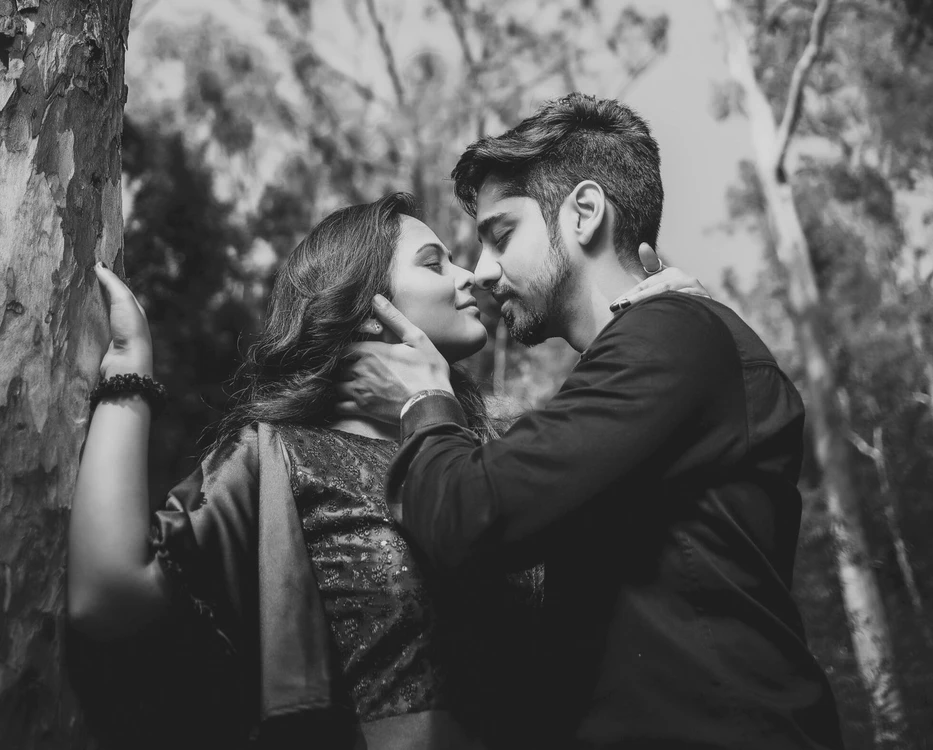
Use these five checks to brief your photographer before the camera comes out. The featured photograph from the Shadowgraphy Studio library illustrates one close portrait. It is an option, not a standard you need to match, and it does not identify or recommend a shoot location.
1. Define intimate pre wedding photos in your own words
Each partner can choose a few references separately, then compare what they like. You might prefer linked hands and conversation while your partner imagines a closer portrait. Explain the feeling behind each reference: calm, playful, affectionate or private. That gives the photographer a direction without asking either person to copy someone else.
Agree on a comfortable starting point and anything you do not want photographed. A reference is not permission for every kind of contact in it. If a particular pose feels awkward, replace it rather than working through a checklist. You can change your mind during the session, even if you liked an idea during planning.
For a simple starting stance, our standing pre-wedding pose guide covers balanced positions and easy hand placement. Here, the extra decision is how much closeness each person wants within that position.
2. Agree on direction and physical contact
Ask the photographer to explain adjustments verbally first. You can move your own hand, shoulder or hair while they guide the picture. If hands-on help is suggested, such as adjusting a sleeve, it should be agreed to before it happens. This is worth discussing with anyone assisting on the shoot as well.
Choose a simple phrase such as “pause a moment” that either person can use to stop and reset. It does not need an explanation in front of the camera. Step apart, take a breath and choose a different idea. A comfortable photograph is a better goal than holding a pose after it stops feeling right.
Close contact is optional. Sitting nearby, looking toward one another or sharing a familiar joke can give you a personal picture without an embrace. Do not ask one partner to persuade the other into a pose.
3. Plan the working space and who stays nearby
Talk through who will be present: photographer, assistant, video team, makeup artist or a companion you choose. Agree how much space you need around the camera and whether you want a quieter part of the session. A public setting cannot promise privacy; a private booking also needs clear access arrangements.
Confirm photography permission with whoever controls the space. Ask about staff access, other bookings and changing facilities rather than assuming a quiet-looking corner is reserved. Choose somewhere both people can move comfortably on stable ground. Avoid secluded or difficult terrain simply to keep other people out of the picture.
For the background itself, the pre-wedding background guide explains how to simplify edges and distractions. A tighter composition can remove visual clutter, but it does not make the actual space private.
4. Build the pictures gradually
Begin with an easy portrait that leaves room between you. Try looking at each other, turning slightly toward the light or bringing hands together if that feels natural. Review a frame before moving closer. Small changes give you time to notice whether an expression or position feels like you.
Do not hold your breath or press faces together to force a result. Ask for a reset when clothing pulls, jewellery catches or your neck feels strained. The photographer can change their angle instead of asking you to bend further. Our close-up pre-wedding photo guide covers tighter framing; closeness of the camera and closeness between partners are separate choices.
Keep some wider, less directed frames in the set. A short conversation or quiet pause may be enough. You do not need every photograph to have the same emotional intensity.
5. Separate taking a photo from sharing it
Before the shoot, confirm delivery access and how gallery links are protected or shared. Ask who can view the photographs, whether downloads are enabled and how long the gallery remains available. Check the actual agreed service rather than assuming a private session includes a particular gallery feature.
Discuss portfolio, website, social-media and promotional use separately. Tell the photographer which approvals you want before any picture is posted. Agree between yourselves before sharing with family too: permission to take a close portrait is not automatic permission to circulate it.
During selection, include only the frames you both want to keep in the final set. If monochrome suits a few pictures, the black-and-white selection guide can help you judge the treatment without changing the original comfort boundaries.
Bring a clear, flexible brief
For your Indore shoot, write down the mood, comfortable contact, people present and sharing preferences. Leave room to change the plan on the day. To discuss photography for your pre-wedding session, call 7385222228.