50 Must-Have Wedding Photos Every Indian Couple Should Get
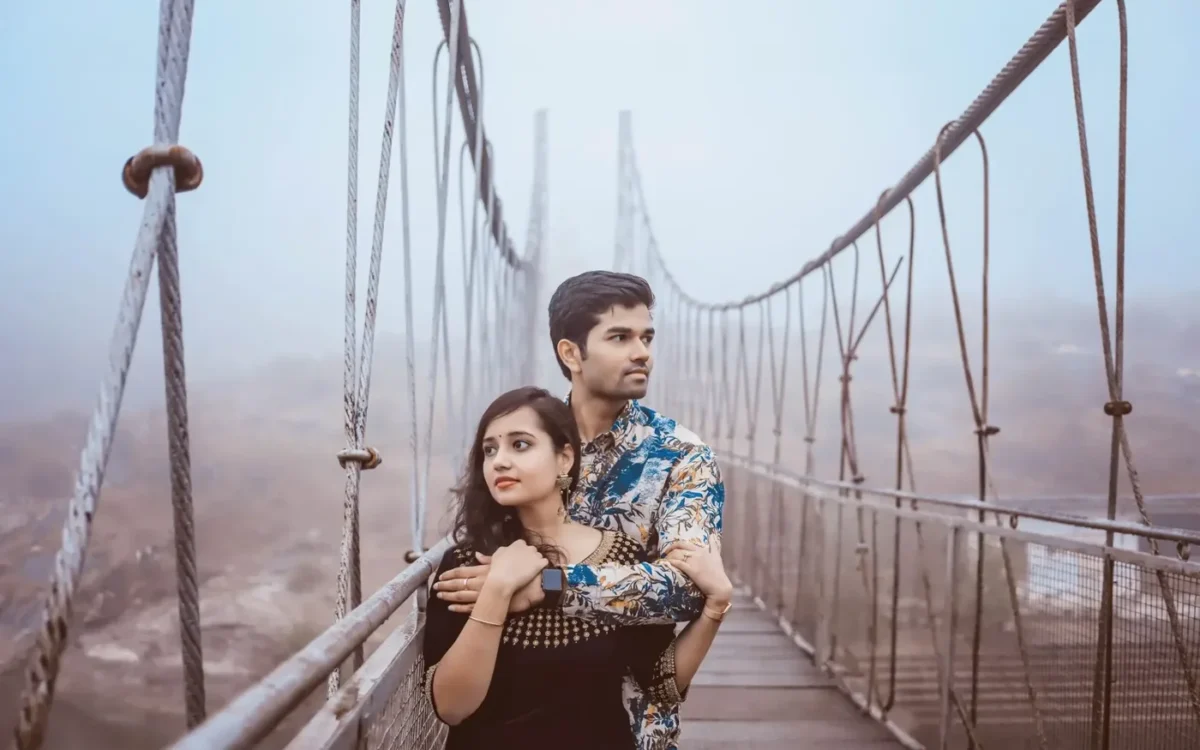
Flowers dry, the food is eaten and the music ends. What remains from an Indian wedding is the album. Couples often realise a year later which photograph they wish existed: a grandparent’s blessing, the exact second the mangalsutra was tied, their father’s face during the vidaai. This list of must-have wedding photos exists so that conversation never happens. It is organised by event, the way your day actually unfolds, so you can mark what matters and share it with your photographer before the functions begin.
Getting ready (6)
- The outfit on a hanger before it is worn
- Jewellery and accessories laid out in close-up
- Makeup in progress, especially the final touches
- Hair being styled, with the artist’s hands at work
- The first full look in a mirror once you are dressed
- A parent or sibling helping with the dupatta, turban or jewellery
These frames need breathing room, not a rushed ten minutes. Our getting-ready planning guide shows how to choose the room and protect the time.
Mehendi and haldi (10)
- Close-up of the bride’s henna-covered hands
- The artist applying mehendi, mid-stroke
- The groom’s name hidden inside the design
- Family members getting their own mehendi done
- A wide view of the decorated mehendi space
- The first touch of haldi being applied
- The unavoidable laughter when the cold paste lands
- A macro frame of turmeric on hands
- The whole group, laughing and covered in haldi
- A quiet, golden portrait once the chaos settles
A practical note for both functions: haldi and mehendi outfits will be stained, and nobody minds. Schedule any portraits you want in those outfits for the first twenty minutes, before the paste flies. Photographers also appreciate a small cleanup corner with water and towels near the action; it keeps lenses and hands working.
These two functions are the most forgiving for photography: nobody is formal yet, colours are bright, and the laughter is real. They are also the easiest to dismiss as “just a home function” and leave uncovered. If the budget forces a choice, a few hours of candid coverage here often produces more albums favourites than a second photographer at the reception.
Sangeet energy (5)
- The couple’s own performance, from more than one angle
- A wide frame of the stage, lights and audience together
- The crowd dancing at full volume
- The DJ moment, arms in the air
- The couple watching their families perform, unaware of the camera
Sangeet photographs are about movement, so this is where your photographer’s low-light work matters. Ask to see a full sangeet gallery, not only highlights, before you book. Stage lighting in Indore’s banquet halls ranges from excellent to a single harsh spotlight, and you want a team that has handled both.
Baraat and entrances (6)
- The groom’s arrival on the horse, car or carriage, from a low angle
- Dhol players mid-beat, faces sharp and hands in motion
- A wide or elevated frame of the full procession
- The milni, when both families meet and exchange garlands
- The flower cannon or confetti burst at the entrance
- The bride’s entry to the mandap, whoever walks beside her
The baraat runs on its own clock. Build a buffer between its scheduled and actual arrival, and tell the photography team which entrance, gate or road the procession will use. The best baraat frames happen when the photographer is already positioned ahead of the procession instead of chasing it.
The ceremony itself (8)
- The groom’s first look at the bride
- The pheras around the sacred fire, especially the final rounds
- The mangalsutra being tied, in extreme close-up
- The sindoor moment
- The kanyadaan, with both parents in frame
- The pandit and the flame, for context
- Parents’ and grandparents’ expressions during the rituals
- A wide frame of the entire mandap and its decor
Ask your venue about any restrictions on where photographers may stand during the pheras, so these frames are planned rather than improvised.
Couple portraits (6)
- A golden-hour portrait, which needs 30 to 45 protected minutes
- A walking candid, mid-conversation
- A genuine laughing frame
- A silhouette against the evening sky or venue lights
- A frame composed through the veil or dupatta
- One traditional full-length portrait in the wedding outfits
If posing makes you nervous, our couple poses guide has ideas that feel natural rather than staged.
Family and the vidaai (5)
- The full formal family portrait, organised and unhurried
- Smaller frames with each set of parents
- A grandparent’s blessing, hands on your head
- The vidaai itself: the embrace, the tears, the rice thrown back over the shoulder
- The car pulling away, seen through the rear window
Give your photographer a family list with names and relationships in advance. Nobody knows your family better than your family, and a photographer cannot guess that your mausi must be in frame. Appoint one relative as the photo coordinator to gather people for group shots; it keeps these frames to minutes instead of half an hour of searching.
Details worth keeping (4)
- The rings
- The invitation card beside flowers or fabric from the day
- Decor, table settings and the mandap before guests arrive
- Heirlooms: a grandmother’s sari, ancestral jewellery, anything with a story
How to use this list without burying your photographer in it
Fifty frames is a menu, not an assignment. Photographers do their best work watching the room, and a couple waving a three-page list gets staged frames while real moments pass. Read through, mark the ten that genuinely matter to your family, and share those along with your event timeline. Our wedding photography checklist covers exactly how and when to brief your photographer. If you are drawn to unposed coverage, the difference between candid and traditional photography is worth understanding before you finalise your team. This Indian wedding photography guide from Hitkari Productions offers a similar event-by-event shot list and shows how seriously professional teams treat pre-wedding briefings.
One more honest word about “must-have”. Every family’s list is different. A family that laughs loudly needs the sangeet frames; a family that prays together needs the ceremony covered properly; a couple that eloped for portraits at sunset needs the time protected. Treat this list as a starting point for one conversation with your photographer, not as a standard somebody else set for you.
After the wedding, the same discipline applies in reverse: when your gallery arrives, our guide to choosing album photos helps you select without overwhelm. Plan the frames now, then forget the list on the day. The best photograph of your wedding will probably be one nobody wrote down.