
Mehndi Ceremony Photography in Indore: The Shots That Matter
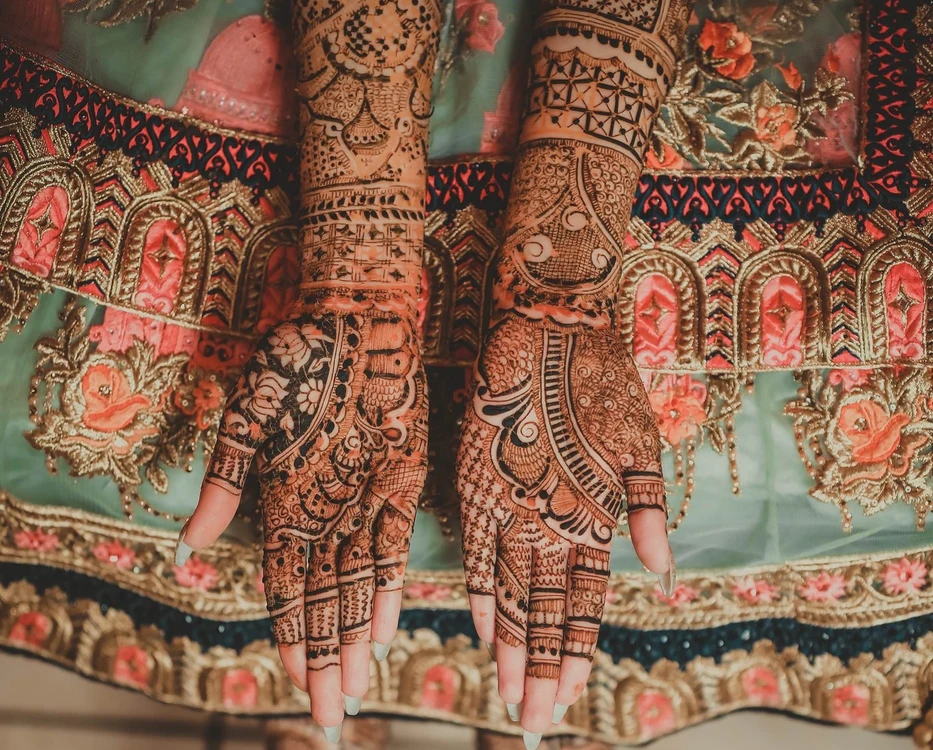
Of all the functions in an Indian wedding, the mehndi ceremony gives a photographer the most to work with in the smallest space. One chair, one bride, hours of intricate work unfolding line by line. Good mehndi ceremony photography turns that slow, quiet afternoon into some of the most detailed images in the entire wedding set.
This guide covers the shots worth planning for, how to time the session around the henna itself, and how to make the most of whatever space the function is held in.
Why the Mehndi Function Deserves Its Own Coverage
The mehndi function is usually held a day or two before the wedding, in a home or a small venue, with the bride seated for hours while the artist works. That stillness is a gift. While the wedding day runs on a schedule nobody controls, the mehndi afternoon lets a photographer slow down, move around, and shoot details that would be impossible to catch later.
It is also the one function built around a visual transformation. The design starts as bare skin, grows line by line into full bridal patterns, and leaves behind a stain that deepens over the next day or two. Photographed properly, that arc tells a complete little story inside the larger wedding one.
The Shots That Matter at a Mehndi Ceremony
The first cone touch. The moment the paste first meets the palm. It marks the start of the wedding festivities in a way few frames can, and it only happens once.
The artist at work. Close-ups of the cone in motion, the artist’s concentration, the design mid-formation. These frames carry the craft of the function.
Full-arm designs, hanging free. Once the application is done, the bride’s arms and hands photographed hanging naturally, with the lehenga or suit framing the pattern. This is the hero shot of the function, the one that ends up framed.
Feet and legs. Bridal mehndi does not stop at the hands. The feet carry their own design, and a dedicated frame of it belongs in the set.
The hidden details. Many brides have the groom’s name or initials worked into the pattern. Finding and photographing it is a classic for a reason. Our guide to wedding detail photography goes deeper on why these small frames matter so much.
Family around the bride. Mothers, sisters and friends getting their own smaller designs, comparing hands, helping the bride eat and drink while hers dry. The mehndi afternoon is often the most relaxed family time of the whole wedding, and it photographs that way.
The outfit and jewellery. Mehndi outfits are usually brighter and lighter than wedding-day wear, and they deserve their own frames before the function gets busy.
The stain reveal. If your coverage allows it, a quick next-morning shot of the darkened stain, often taken while the bride is getting ready for the haldi, closes the arc beautifully. It pairs naturally with haldi photography, which usually follows the same morning.
Timing Your Mehndi Ceremony Photography Around the Henna Itself
Henna runs on its own clock, and the photography has to respect it. While the paste is wet, the bride cannot move her hands freely, so the shooting has to come to her. Once the design is complete and drying, there is a natural window for the hanging-hand portraits and detail frames.
The stain itself darkens over roughly the next day or two after the paste comes off, which is why the application-day photos and the wedding-day photos look so different, and why both are worth having. If you want the deep colour in your wedding-day hand shots, the mehndi needs to happen early enough for the stain to mature, and that is worth saying out loud when the family fixes the function date.
Tell your photographer the schedule in advance: when the artist starts, how long the bridal design is expected to take, and when family members will get theirs. A photographer who knows the rhythm can be in the right place for each stage instead of arriving to find the best moments already done.
Light, Space and Setting
Mehndi functions usually happen at home, which means the light is whatever the house offers. A spot near a large window or an open veranda gives soft, directional light that makes henna detail glow. If the function is indoors with mixed lighting, your photographer will manage it, but choosing the bride’s seat near natural light is the single easiest upgrade you can make.
Keep the immediate background in mind too. A clean wall, a curtain, or a decorated corner behind the bride’s chair keeps the focus on the design. The ten minutes spent tidying the frame before the artist starts pay off in every single photograph that follows.
Fitting Mehndi Into Your Wedding Coverage
The mehndi function sits inside a larger story, and the best sets treat it that way. The detail frames from the afternoon echo in the wedding-day shots: the same hands exchanging rings, holding the garland, folded during the pheras. When you plan your coverage, think of mehndi as the opening chapter rather than a separate event. Our list of must-have wedding photos shows how the functions connect, and the bridal getting-ready session is where the mehndi story usually reappears on the wedding morning.
If you are planning your wedding photography in Indore and want the mehndi function covered with the care it deserves, call us at 7385222228. We will walk you through how we shoot it, from the first cone touch to the final stain.