
Haldi Photography Ideas: How to Capture the Ceremony Beautifully
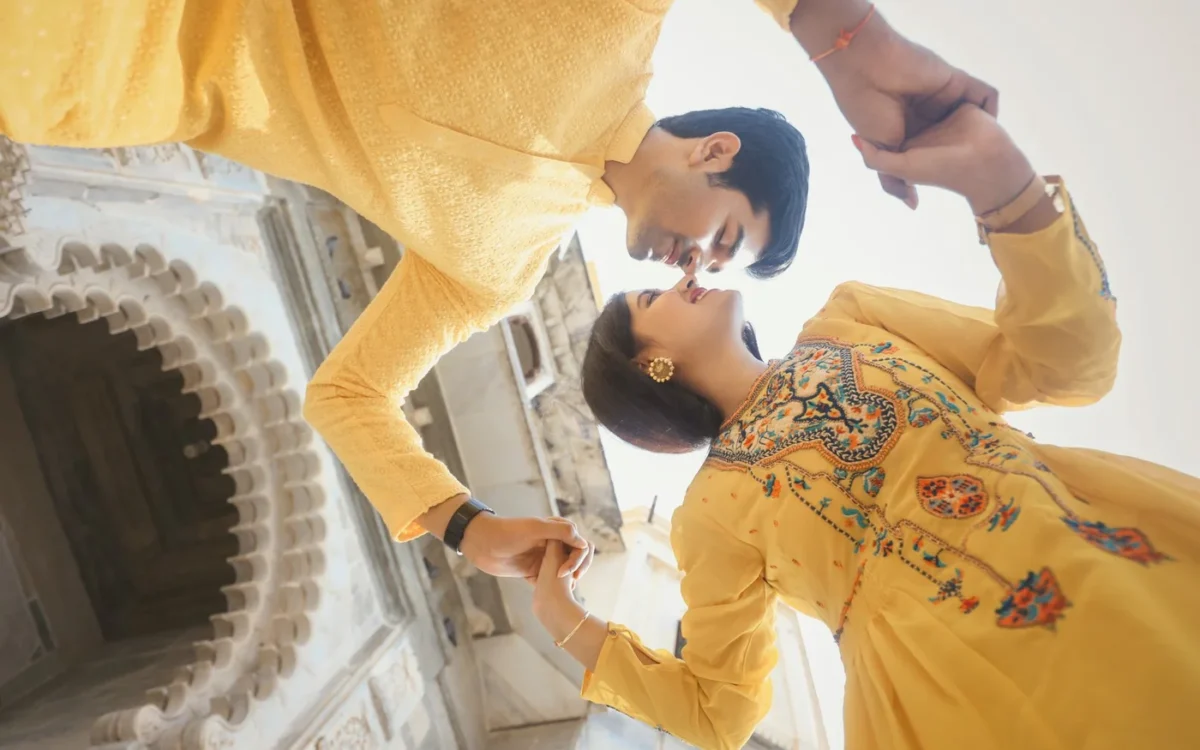
Ask a wedding photographer which function gives the most honest pictures, and many will say the haldi. There is no heavy jewellery to protect, no tight schedule, and everyone is laughing. These haldi photography ideas focus on how to plan the ceremony so the photographs match the joy of the moment, without turning a family ritual into a photo shoot.
Choose the setting and the light first
Haldi is bright, wet and messy, so light and space decide most of the result. An open courtyard, a terrace, a lawn or a room with large windows works best. Indoor halls with tube lights tend to give a flat, greenish cast that fights with yellow tones. If the ceremony must be indoors, open the curtains, turn off mixed lights and keep the activity near the windows.
Morning light is soft and kind. If the ceremony is in the afternoon, ask for open shade rather than direct sun, which burns out the yellows and creates harsh shadows on faces. Our guide to wedding photography lighting explains why this matters.
Pick outfits that photograph well
Yellow, ivory, white and soft pastels all look rich with turmeric. Cotton and light fabrics are comfortable and dry quickly. Avoid very dark colours, which show the paste as stains, and avoid delicate silk you cannot afford to ruin. Decide whether you want everyone in matching tones, since a coordinated family looks wonderful in group frames. Keep a spare change of clothes for after the ceremony.
Plan the key moments
- The first touch. The elders applying haldi on the forehead, cheeks and hands. These are quiet, tender frames, best shot close.
- Family and cousins. Siblings, cousins and friends teasing, smearing and laughing. This is where candid shots happen.
- Details. Marigold garlands, brass bowls, turmeric paste, flowers and decor. Photographed early, before the mess begins.
- The couple. A few relaxed portraits together once the ceremony settles, using the glow of the light and the colour around you.
- The splash. Flower petals, water or gulal thrown in the air. These need a photographer who is ready and a safe distance for equipment.
Brief your family
A short word with the elders and cousins helps a lot. Ask them to apply haldi gently on the face and let the couple move, instead of crowding. Remind them not to stare into the camera, because the best photographs happen when people are doing, not posing. One helper can manage towels, water and a bag of spare clothes, so the photographer is not interrupted.
Protect the gear and the plan
Turmeric stains and water damage equipment, so your photographer will use protective covers and may keep some distance during the messiest minutes. Agree on a signal that tells everyone when to pause for a posed family photo. Keep the schedule loose and do not pack the haldi right before a major function, since people need time to clean up.
Portraits that are worth the time
Once the ritual quiets down, take ten minutes for portraits of the bride and groom, siblings and the parents. Soft light, a clean wall or an open background and a simple outfit are all you need. If you are also planning pre-wedding photos in the same yellow palette, read our guide to romantic pre-wedding shoot ideas and our pre-wedding shoot checklist.
Make sure your photographer covers the right things
Share the list of rituals, the guest count and the venue with your team in advance. Use our wedding photography checklist and the list of must-have wedding photos to decide what you want from each function. If you are still choosing a photographer, see the questions to ask before booking.
After the ceremony
Ask your photographer when the haldi selection will be ready and how it will be shared. Pick a few favourites for family groups and social media, and keep a copy in two places. Share group photos with relatives soon after, since they are the ones who will ask for them first. If the photographs include children and elders, confirm in advance which images you are comfortable sharing online.
It also helps to write down the names of the people who were involved in the ritual, such as the relatives who applied haldi first. When the album is designed, those names and the order of events make it easier to build a sequence that tells the story of the day properly, from the first touch to the last splash of petals.
Finally, think about the album layout early. A haldi spread of six to eight pages, with a mix of close detail frames, group moments and a couple of portraits, usually feels complete without repeating itself.
Small habits that improve every frame
Keep phones away during the ritual so faces are visible in the photos. Ask guests not to stand behind the photographer, which creates unnatural looks at the lens. Take a moment for the quiet frames: a mother wiping a tear, a grandmother smiling, a brother carrying a bowl. These are often the pictures families return to years later.
For help planning coverage across your functions, see our pricing page and message us with your dates. For more on the ritual itself, this guide to haldi ceremony photography is a helpful read.