Bridal Lehenga Photography: Capturing Every Detail of Your Lehenga
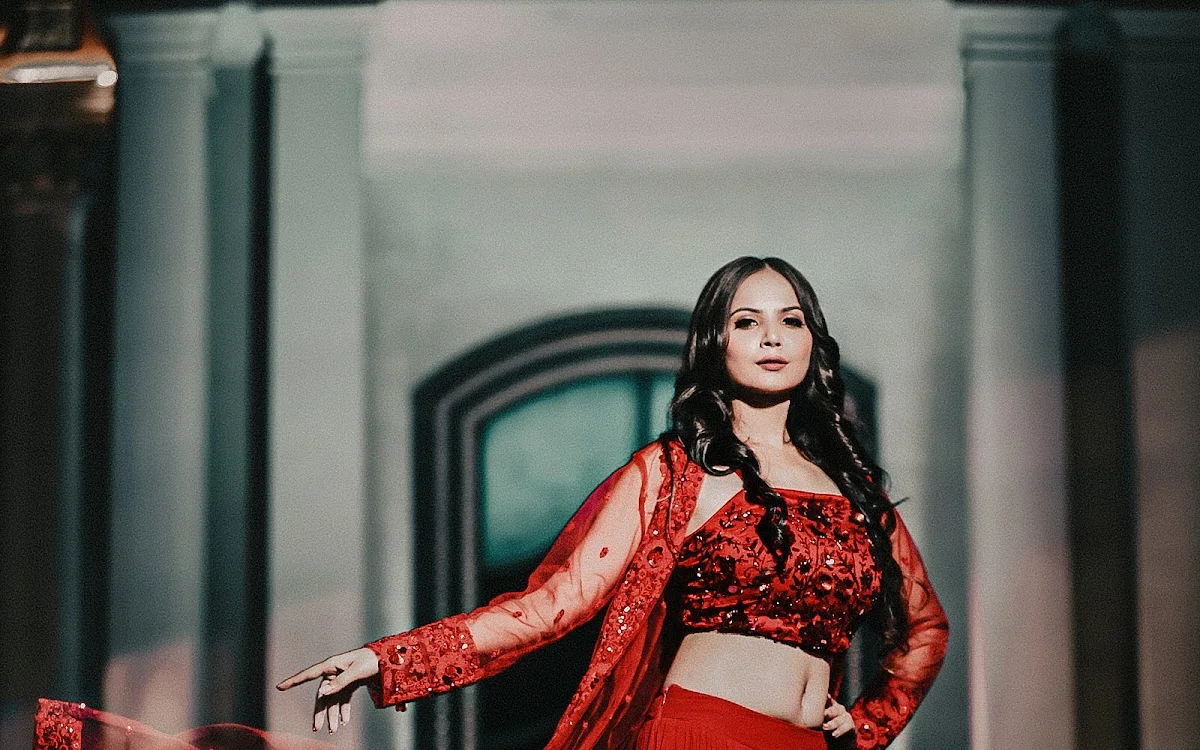
A wedding lehenga is rarely just an outfit. It is months of searching, trials, fittings, colour debates and custom embroidery, all leading to one big day in the spotlight. Good bridal lehenga photography makes sure every bit of that effort shows up in your wedding album, from the flare of the skirt to the tiniest latkan. This guide walks through the shots that do justice to a lehenga and the small planning decisions that make them possible.
Why Bridal Lehenga Photography Deserves Its Own Plan
A bridal lehenga is one of the hardest outfits to photograph well by accident. The skirt is heavy and layered, the embroidery catches light in unpredictable ways, and the dupatta never falls the same way twice. In the middle of a busy wedding day, unplanned lehenga shots usually end up rushed, with crumpled pleats, flat lighting and half the detail lost.
A little planning changes everything. When your photographer knows what your lehenga looks like, which details matter most to you and where the good light is at your venue, the outfit gets the attention it was chosen for. Think of it the same way you think about your must have bridal portraits: a short list of shots decided in advance, so nothing important is left to chance.
The Twirl Shot, Done Right
The twirl is the classic lehenga shot for a reason. When the skirt lifts and flares, you see the full volume, the layered cancan and the movement of the fabric in a single frame. It is also the shot most brides practise the least.
A good twirl shot needs three things: open space, a slow spin and a photographer shooting in burst mode. Twirling too fast makes the skirt fly up awkwardly; a slow, gentle turn lets the hem rise and fall gracefully. If you can, practise a few twirls at home in your actual lehenga before the wedding so you know how the skirt behaves. Your photographer will usually take the shot in an open part of the venue, away from furniture and crowds, and the best frames almost always come from the middle of the burst.
Dupatta Shots That Add Drama
The dupatta is the most versatile prop you already own. Held out to one side, it shows off its border and booti work. Tossed gently into the air, it adds movement and softness to a portrait. Draped over the head as a veil, it creates some of the most emotional frames of the day, especially when backlit by window light or evening lamps.
Ask your photographer for at least one shot where the dupatta is the hero. A helper or bridesmaid holding and releasing the fabric gives far better results than trying to manage it alone. These frames pair beautifully with candid wedding photography, because the in between moments while the dupatta is being arranged often turn out to be the most natural ones.
Detail Shots: Embroidery, Borders and Latkans
Long after the wedding, the detail shots are what remind you what the lehenga actually felt like. Zardozi, mirror work, sequins, thread embroidery, tassels and latkans all deserve their own close ups. The blouse back, the latkans at the waist and the border of the dupatta are the details brides most often forget to get photographed.
The easiest time for these frames is before you get dressed, while the lehenga is still on its hanger or laid out on the bed. This fits naturally into the bridal getting ready session, when the outfit, jewellery and makeup details are all in one place. If you love this kind of frame, our guide on wedding detail photography explains why these small shots end up telling the biggest story.
Full Length and Back Shots
Every lehenga album needs at least one clean, full length portrait where the entire outfit is visible from head to toe, with the skirt spread properly and the dupatta arranged. It sounds simple, but it is the shot that most often goes missing because nobody paused to take it.
Two variations are worth asking for. The first is the back shot, which shows the blouse design, the dori and the way the dupatta is pinned, all of which take real effort and are invisible from the front. The second is the seated shot, where the bride sits comfortably while the lehenga is spread out in a full circle around her. Both take under two minutes each and become some of the most shared photos of the wedding.
Match the Backdrop to the Lehenga
A heavily embroidered red lehenga looks its richest against muted, simple backdrops: old stone, carved doorways, plain walls or soft evening light. Pastel lehengas glow against greenery and open sky. What never works is a cluttered banquet corner, where the background fights the outfit for attention.
When you prepare for your wedding photography, ask your photographer to scout two or three clean spots at your venue before the day. Ten minutes of scouting is what separates a lehenga portrait that looks editorial from one that looks like it was taken next to the buffet.
And remember, your lehenga is not the only outfit worth planning for. The same thinking applies to your mehendi outfit and henna details and every other function look.
Make Every Thread Count
You spent months choosing your lehenga. Give it more than a passing glance on the wedding day. A short shot list covering the twirl, the dupatta, the details, the full length and the back takes less than half an hour to capture and fills your album with frames you will treasure for decades.
At Wedding Photographer in Indore, we plan outfit shots with every couple before the wedding, so nothing you chose with love goes unphotographed. Call us on 7385222228 to talk about your wedding and how we can capture your lehenga, your rituals and everything in between.