
Phera Photography: Capturing the Sacred Fire Moments of Your Wedding
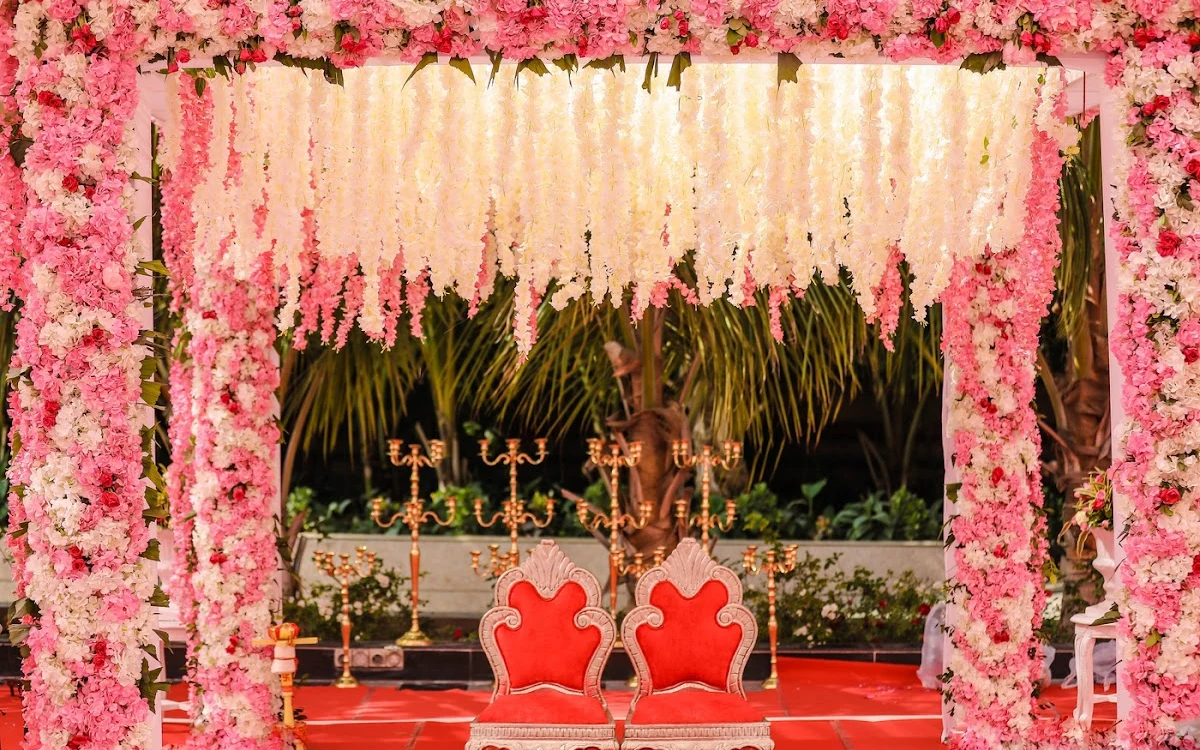
Every part of an Indian wedding has its own rhythm, but the pheras are the moment everything slows down. The music softens, the family leans in, and the couple walks around the sacred fire, round after round, while the mantras carry on. It is the spiritual centre of the wedding day, and it is also one of the most demanding parts of the day to photograph well.
Phera photography asks for more than a good camera position. The light is low and warm, the pandit ji and family members move in and out of the frame, and smoke from the havan drifts across the couple.
The most important moments happen quietly: a glance during the vows, a father’s grip tightening during kanyadaan, the first round completed. Here is how thoughtful coverage works, and what you can do while planning to get the most from it.
The moments inside the pheras that matter
The pheras are not one moment but a sequence, and each beat has its own frame:
- Kanyadaan. The bride’s parents placing her hand in the groom’s. Hands, eyes, and the space between the two families say everything here.
- Hastmelap and the gathbandhan. The joined hands, the knot tied between the couple’s garments, the first steps taken together.
- The mangal feras themselves. Each round around the fire has its own meaning, and the couple’s expression changes from round to round: concentration, laughter, tears, relief.
- The offerings. Ghee and samagri going into the flames, the fire flaring, smoke curling through the frame.
- Sindoor and mangalsutra. For many couples this is the emotional peak of the entire wedding, and it lasts only seconds.
- The family around the mandap. Grandparents watching from the front row, siblings holding back smiles, the pandit ji mid mantra. The pheras belong to everyone in that circle.
Detail frames from the same setting, the kalash, the flowers, the havan kund, the bride’s kaleere catching firelight, sit beautifully alongside these moments. We have written separately about how wedding detail photography preserves exactly these small pieces of the day.
Why phera photography is the hardest part of the day
Most pheras happen after sunset, around a fire, under decorative lighting that changes colour every few seconds. That combination is beautiful for the eye and brutal for a sensor. Fire is a moving, flickering light source that shifts exposure from frame to frame. Coloured LED washes can turn skin tones purple or green in an instant. Smoke adds atmosphere but kills contrast when it thickens.
On top of the light, there is geography. A mandap is a crowded square: the couple, the pandit ji, both sets of parents, siblings helping with offerings, and often a videographer’s tripod. Everyone needs to see the ceremony, and the photographer has to work the edges of that circle without blocking anyone’s view of a once only ritual.
How we cover the pheras without getting in the way
Good phera coverage is planned before the wedding day, not improvised during it. A few things that make the difference:
- A walkthrough of the mandap layout. Knowing which direction the couple will face during each round decides where the cameras wait. If you are still finalising your day of schedule, our wedding photography checklist for Indian weddings covers this coordination step.
- Two angles when the crew allows it. One photographer wide on the mandap, one tight on faces and hands. How many photographers your events actually need is a real planning question, and we have a full guide on how many photographers an Indian wedding calls for.
- No flash during the mantras. We shoot the pheras with fast lenses and available light. The fire, the fairy lights and the mandap lighting carry the frame, and the ceremony keeps its mood.
- Quiet feet, long lenses. The closer moments, sindoor, mangalsutra, the parents’ faces, are often shot from outside the mandap’s edge so the ritual circle stays undisturbed.
- Coordination with the pandit ji. A two minute conversation before the ceremony tells us which parts allow movement and which parts ask us to hold still. Every family and every pandit ji runs the pheras a little differently, and we follow their lead.
What you can plan as a couple
You do not need to manage any of this on the day, but a few small decisions while planning give your photographer room to work:
- Tell your photographer the muhurat time and how long the pheras usually run in your family’s tradition. Some ceremonies run forty minutes, some well past two hours.
- Ask your decorator to keep one side of the mandap slightly open if possible. A clear shooting lane changes the entire coverage.
- Let close family know the photographer will be working the edges of the mandap, so a well meaning uncle does not plant himself in the one clean sightline.
- If part of your ceremony happens in the open air, the light behaves differently, and it is worth reading about how we handle both settings in our guide to wedding photography lighting in Indore.
- Share any family customs that matter to you: a specific vow, a ritual object, a moment your grandmother is waiting for. Named moments never get missed.
Where the pheras sit in your full wedding story
In the final album, the pheras are the hinge. The morning’s energy, the getting ready, the baraat, the varmala, all of it funnels into this circle around the fire, and everything after, the blessings, the dinner, the reception celebration, flows out of it. Couples often tell us the phera spreads are the pages their parents return to most.
The style of those frames matters too. Some couples want the ceremony documented quietly as it unfolds, some want a few gently directed frames between rounds.
Our approach leans candid, and you can see what that means in practice in our notes on candid wedding photography in Indore. And if you are planning a smaller ceremony with just your closest people, the pheras become even more intimate, something we cover in intimate weddings in Indore.
The takeaway
The pheras ask for patience, position and respect for the ritual, and they give back the most meaningful frames of the wedding day. Plan the layout, brief your photographer on your family’s customs, and then forget the cameras entirely. The fire, the vows and your people will do the rest.
Planning your wedding in or around Indore and want your pheras covered with the care they deserve? Call us at 7385222228 and tell us about your ceremony.